About Rajsuya Maha Yagna
- Home
- About
Sacred Significance
- Significance
Meaning & Essence of Rajsuya Maha Yagna
The Rajsuya Maha Yagna signifies divine kingship, dharmic authority, and spiritual alignment between human leadership and cosmic order.
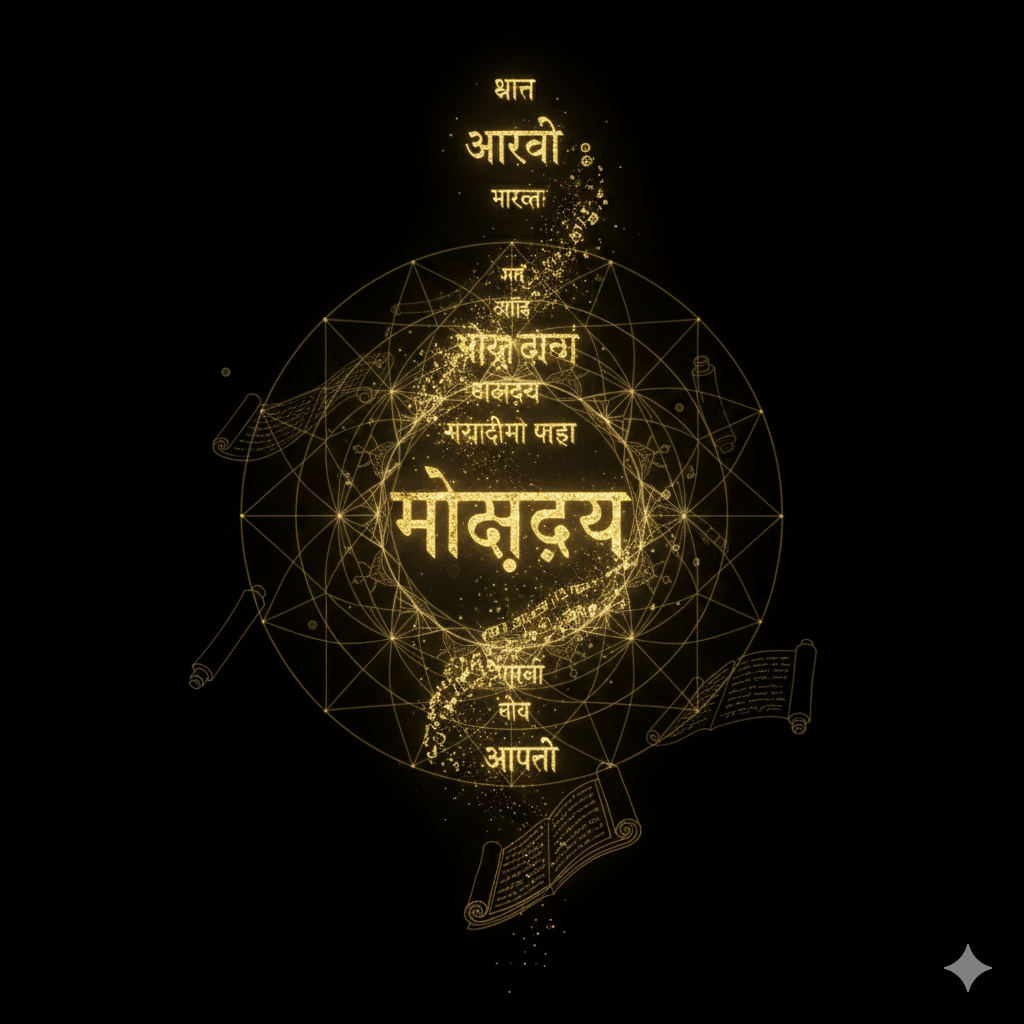
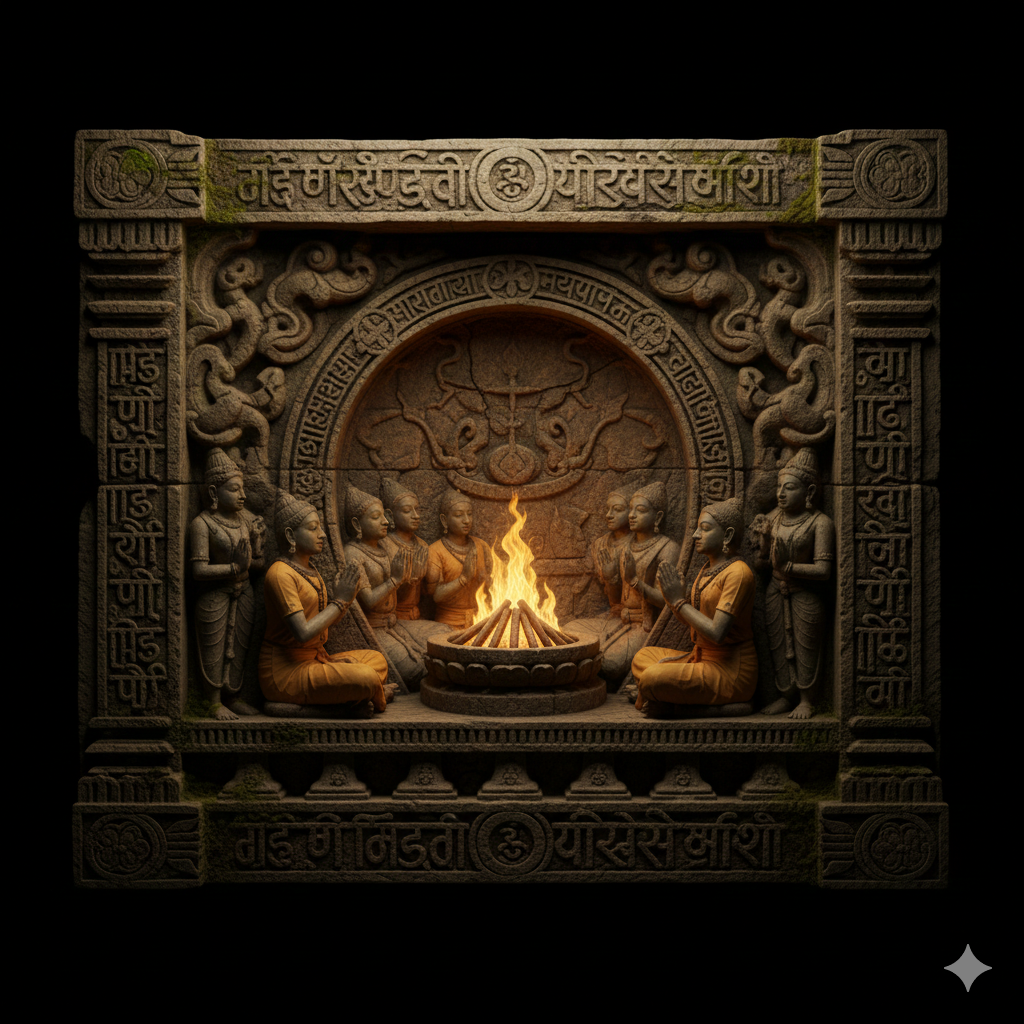
The Rajsuya Maha Yagna is a profound Vedic ritual symbolizing the sanctification of power through dharma and spiritual discipline. More than a royal ceremony, it represents the transformation of authority into sacred responsibility. Rooted in ancient scriptures, the yagna aligns human governance with universal law, ensuring harmony between the ruler, society, nature, and the divine. Through sacred fire, mantras, and offerings, the ritual invokes cosmic balance, prosperity, and righteous leadership. Its essence lies in reminding humanity that true sovereignty arises from humility, service, and unwavering commitment to dharma rather than domination or force.

- Contemporary Significance
Purpose & Relevance in the Present Age
Rajsuya Maha Yagna guides humanity today, instilling dharma, spiritual balance, and ethical leadership amidst Kali Yuga challenges.
Even in Kali Yuga, the Rajsuya Maha Yagna retains profound relevance. Its rituals, mantras, and sacred fire remind humanity of dharmic values, ethical governance, and spiritual discipline. By observing and participating in these ancient rites, individuals and communities align with cosmic harmony, counter moral decline, and cultivate inner strength, wisdom, and social responsibility, ensuring timeless principles endure in modern life.
- Comparison
Rajsuya Yagna vs. Ashwamedha Yagna
Rajsuya Yagna
Rajsuya Yagna is a sacred consecration ritual affirming a ruler’s moral authority and divine sanction. It emphasizes inner sovereignty, ethical governance, humility before cosmic law, and harmony between leadership, society, and the divine. Power here is sanctified through discipline, ritual purity, and dharma rather than conquest.
Ashwamedha Yagna
Ashwamedha Yagna represents outward sovereignty and unchallenged rule. Through the symbolic release of a sacred horse, it signifies territorial authority, military strength, and political supremacy. This yagna asserts dominance across lands, reflecting a ruler’s ability to protect, expand, and command, guided by ritual and royal power.